Contents
A new pair of dance shoes is stiff, unfamiliar and unforgiving for the first few hours. The sole has no grip memory yet, the upper has not moved a millimetre towards your foot, and every seam is exactly where the shoe designer put it rather than where your foot wants it.
Good shoes reach their best after a few weeks and then stay there — if you break them in properly and look after them. Badly treated, the same pair is finished in a season. Everything below applies equally to Latin, Standard and practice shoes.
Breaking In a New Pair: The First Week
Wear them indoors, at home, on a clean floor — never outside, and never at a competition first. Twenty to thirty minutes at a time is enough. Walk, rise onto the ball of the foot, do a few slow turns, take them off.
Leather and satin give roughly half a size as they mould to the foot, and the sole softens over the same period. That is the shoe adapting to you, and it cannot be rushed. Do not soak them, do not heat them, and do not “walk them in” outdoors: one walk on asphalt does more damage to a suede sole than a month of classes.
If after a week of this the shoe still hurts in the same specific place, the problem is fit rather than stiffness — check it against our guide on how to measure your foot for the right dance shoe size.
Blisters and Hot Spots
Tape before, not after. If you know where a new pair rubs, cover that spot before you put the shoe on — a blister that never forms costs nothing, and one that does will change how you dance for a week.
Silicone heel grips and toe pads solve most of the rest, and thin dance socks help during the break-in period. What none of them fix is a shoe that is genuinely the wrong size or the wrong toe shape: if the pain is on one specific point every session, read round toe vs square toe — foot shape, not stiffness, may be the cause.
Brushing the Suede Sole
The suede sole is the part that makes a dance shoe a dance shoe, and it is also the part that quietly stops working. Floor dust, polish and compressed nap turn a controlled slide into an unpredictable one — and most dancers blame the floor.
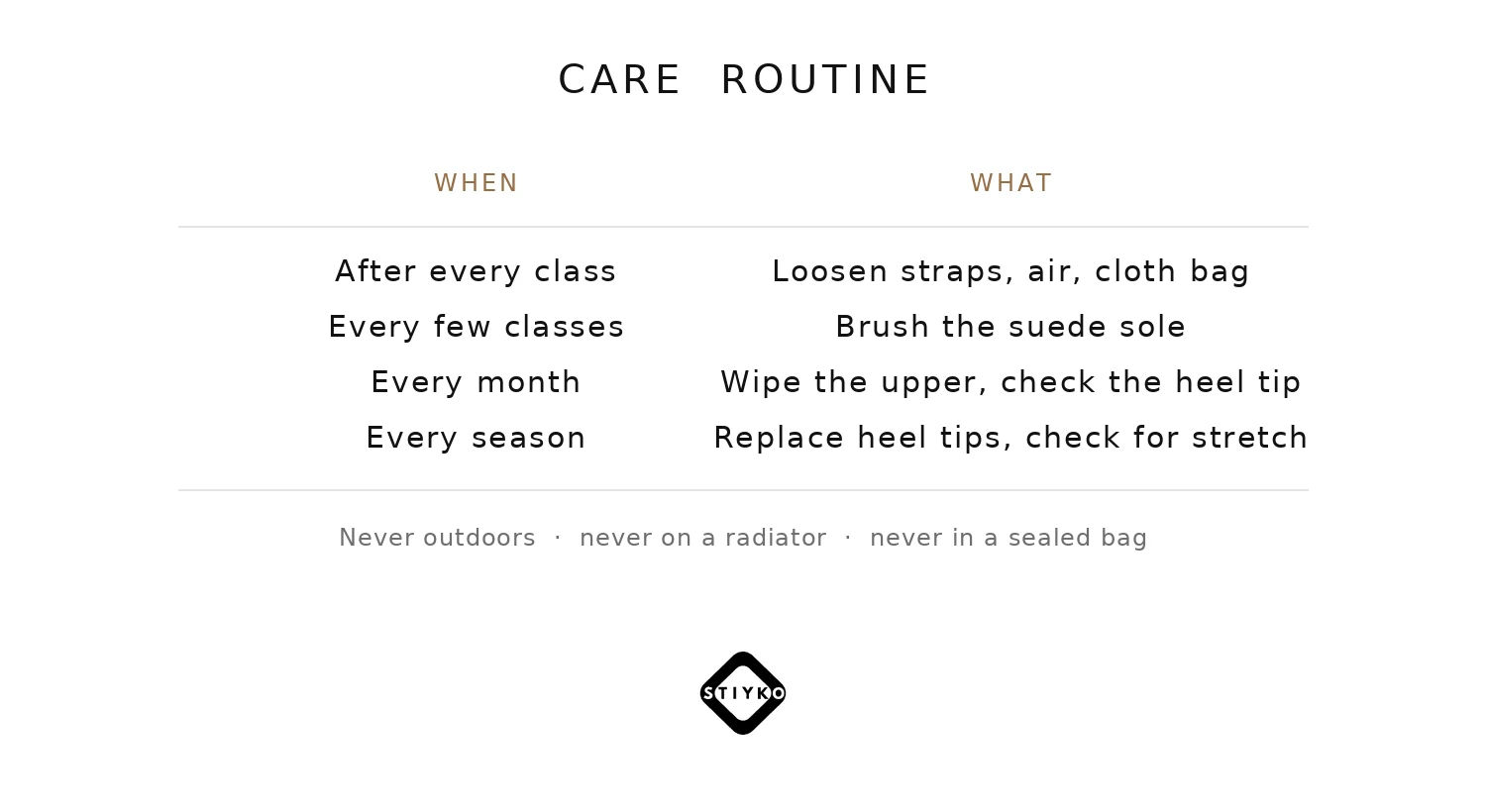
Use a wire dance brush. Short strokes in one direction, from the heel towards the toe, over the whole sole, on both shoes. Do it every few sessions, or any time the slide feels wrong. Never wet the sole, never scrub hard enough to tear the nap, and never use a household brush with hard plastic bristles.
Drying and Airing After Training
Loosen the straps or laces as soon as you take the shoes off — a strap left buckled tight keeps the leather stretched in the wrong place. Take out the insoles if they are removable.
Dry them at room temperature, away from radiators and out of direct sun. Heat is what makes leather crack and glue fail. If the pair is genuinely soaked, stuff it loosely with paper and change the paper once. Store in a cloth bag, never a sealed plastic one: plastic keeps the moisture in and the smell with it.
Cleaning the Upper, by Material
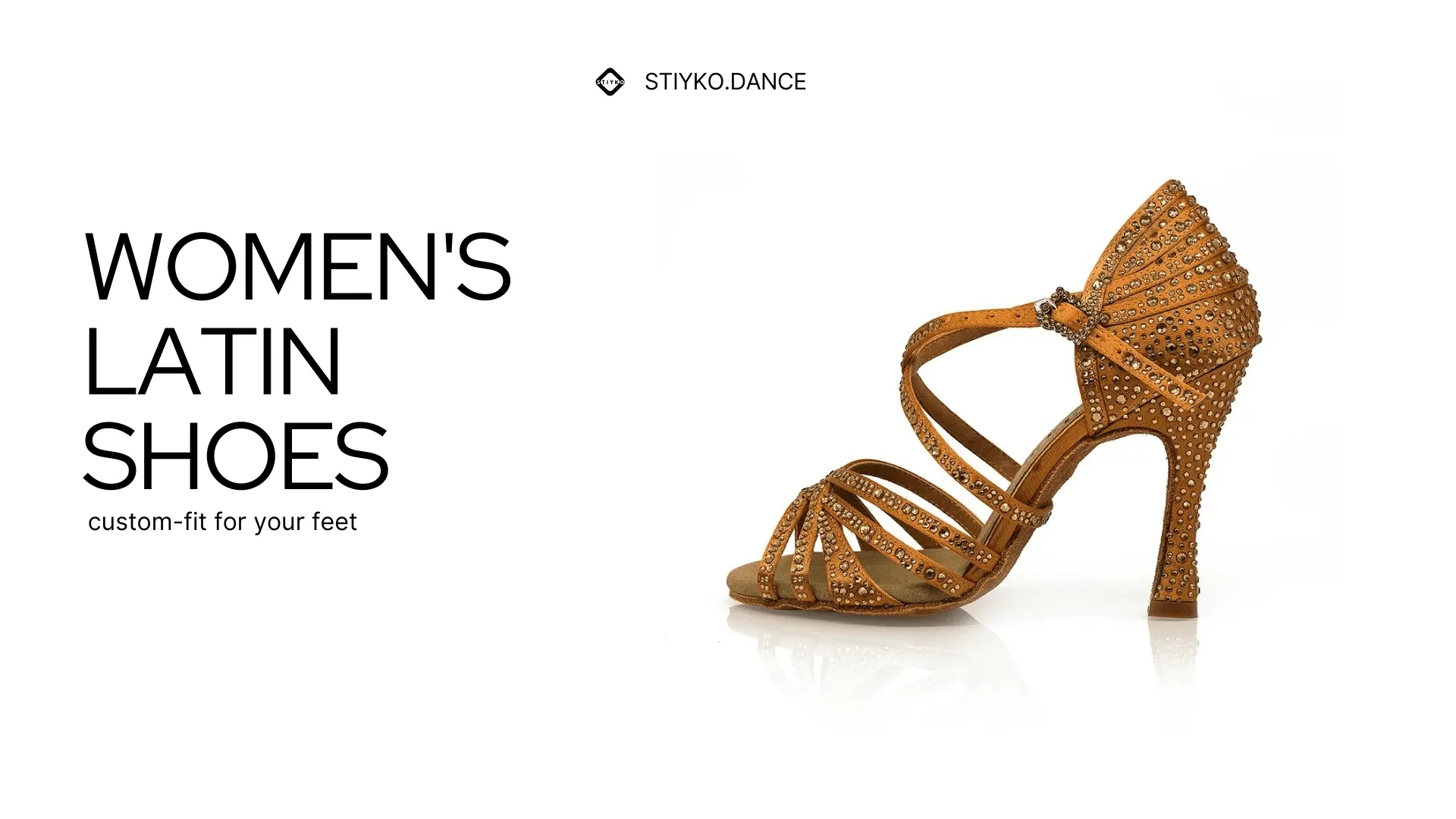
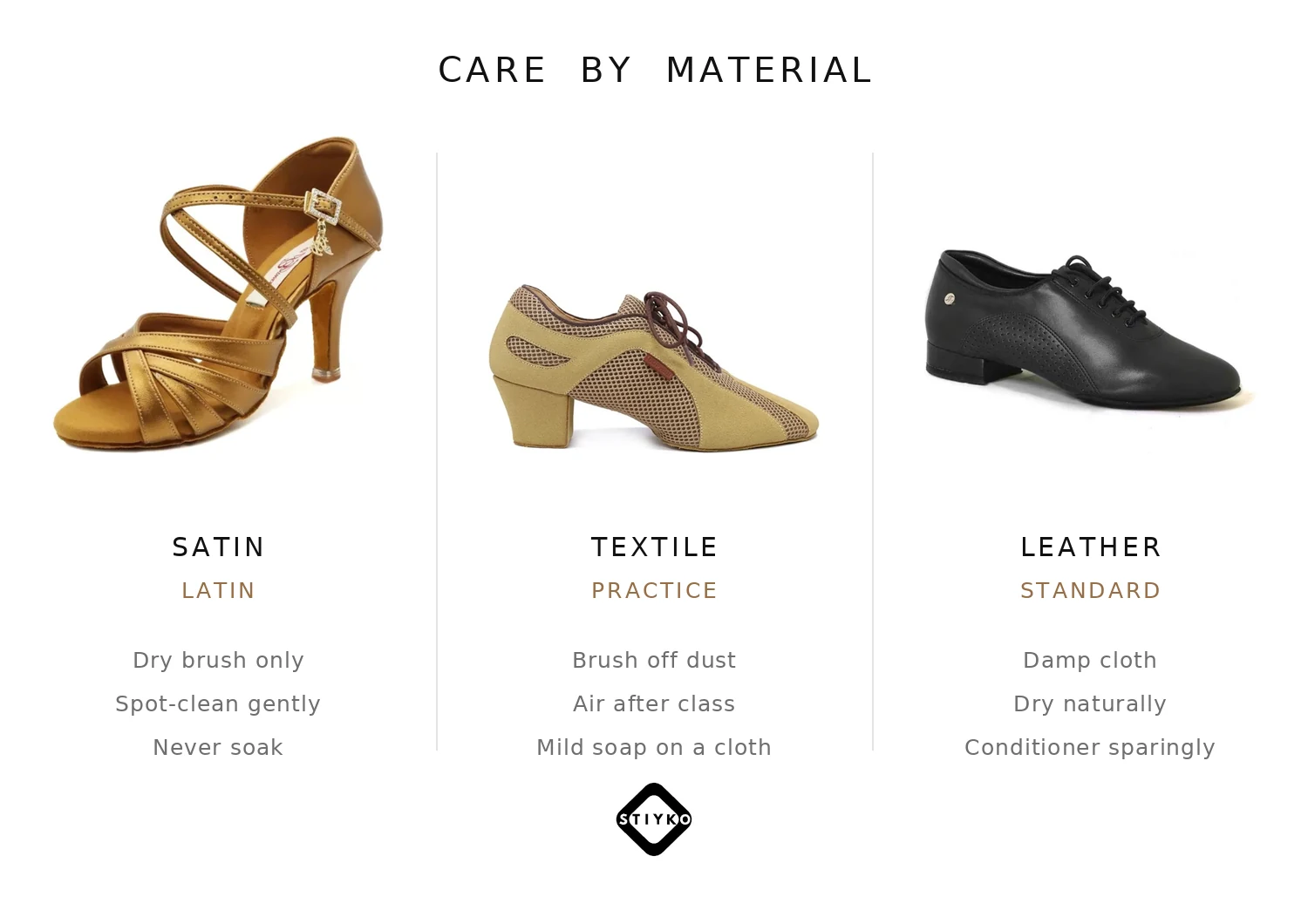
- Satin. Brush gently when dry; spot-clean carefully with a barely damp cloth. Never soak it. Faded or scuffed satin can be refreshed with dance-shoe dye rather than replaced.
- Leather. Wipe with a damp cloth, dry naturally, and use a little leather conditioner occasionally — sparingly, because a soft over-conditioned upper stops supporting the foot.
- Patent. A damp cloth and then a soft dry one. Nothing abrasive: the shine is a surface layer.
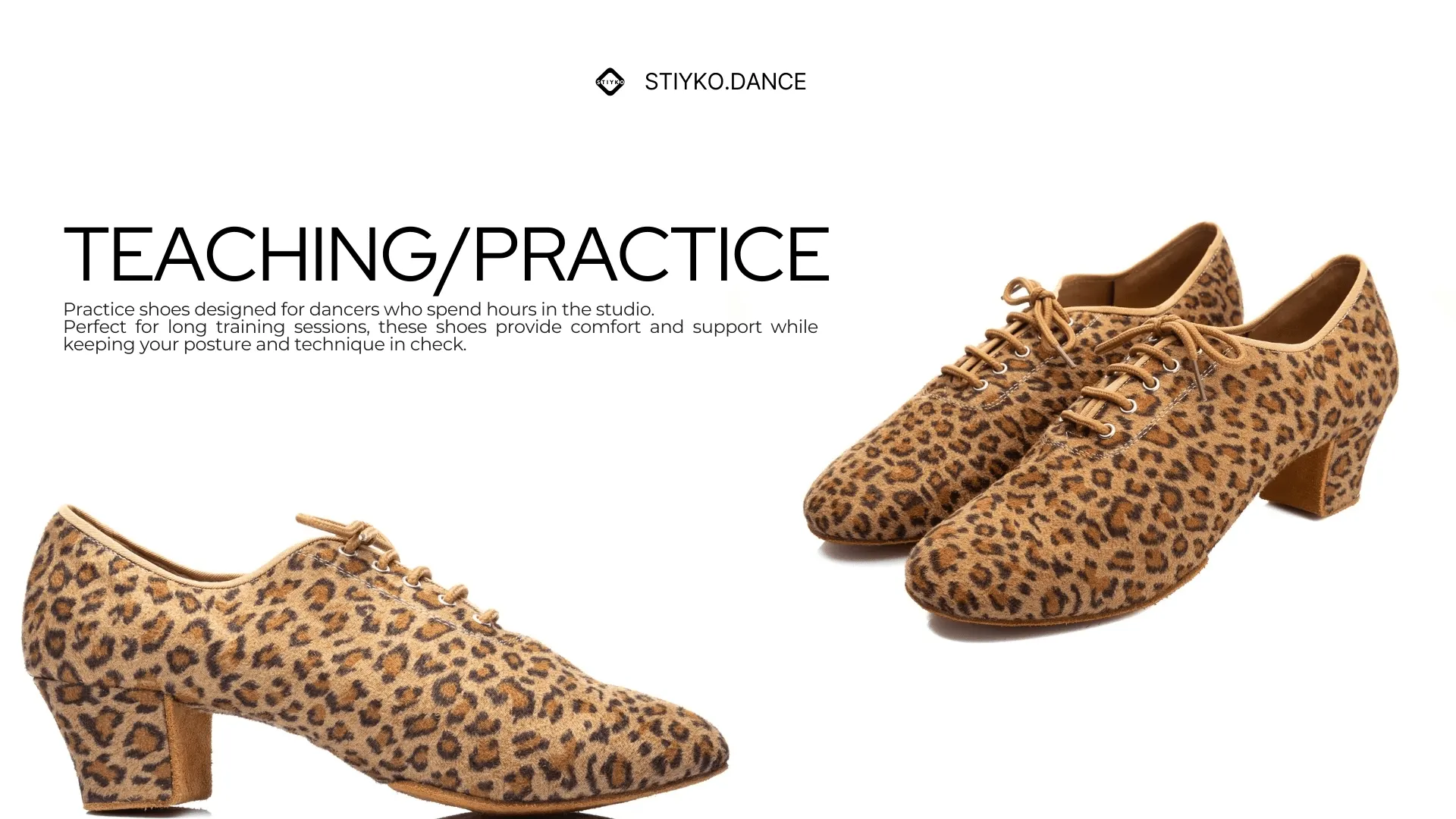
- Textile and mesh (practice shoes). Brush the dust off, air after every session, and clean marks with mild soap on a cloth rather than under a tap.
Never put dance shoes in a washing machine, and never dry them on a radiator. Both are common, and both end the same way.
Heel Tips and Protectors
The heel tip is a consumable part. It wears down with use, and once it is worn through to the metal you are dancing on a metal point — bad for the floor, worse for your balance. Replace the tip before it reaches that stage. Heel protectors slow all of this down, especially on high Latin heels, and are far cheaper than the shoes they protect.
Storing and Travelling
Keep each pair in its own cloth bag, heels turned away from each other so one heel does not press into the other shoe. Do not crush shoes flat under everything else in a competition bag, and do not leave them in a car in summer — an hour in direct sun softens glue and warps a heel.
Six Mistakes That Kill Dance Shoes Early
- Wearing them outdoors, even for a few steps.
- Leaving them in a hot car or next to a radiator.
- Storing them in a sealed plastic bag straight after training.
- Never brushing the sole, then blaming the floor.
- Wearing the competition pair to every rehearsal instead of keeping a practice pair.
- Ignoring a heel that has started to move.
When Care Is Not Enough
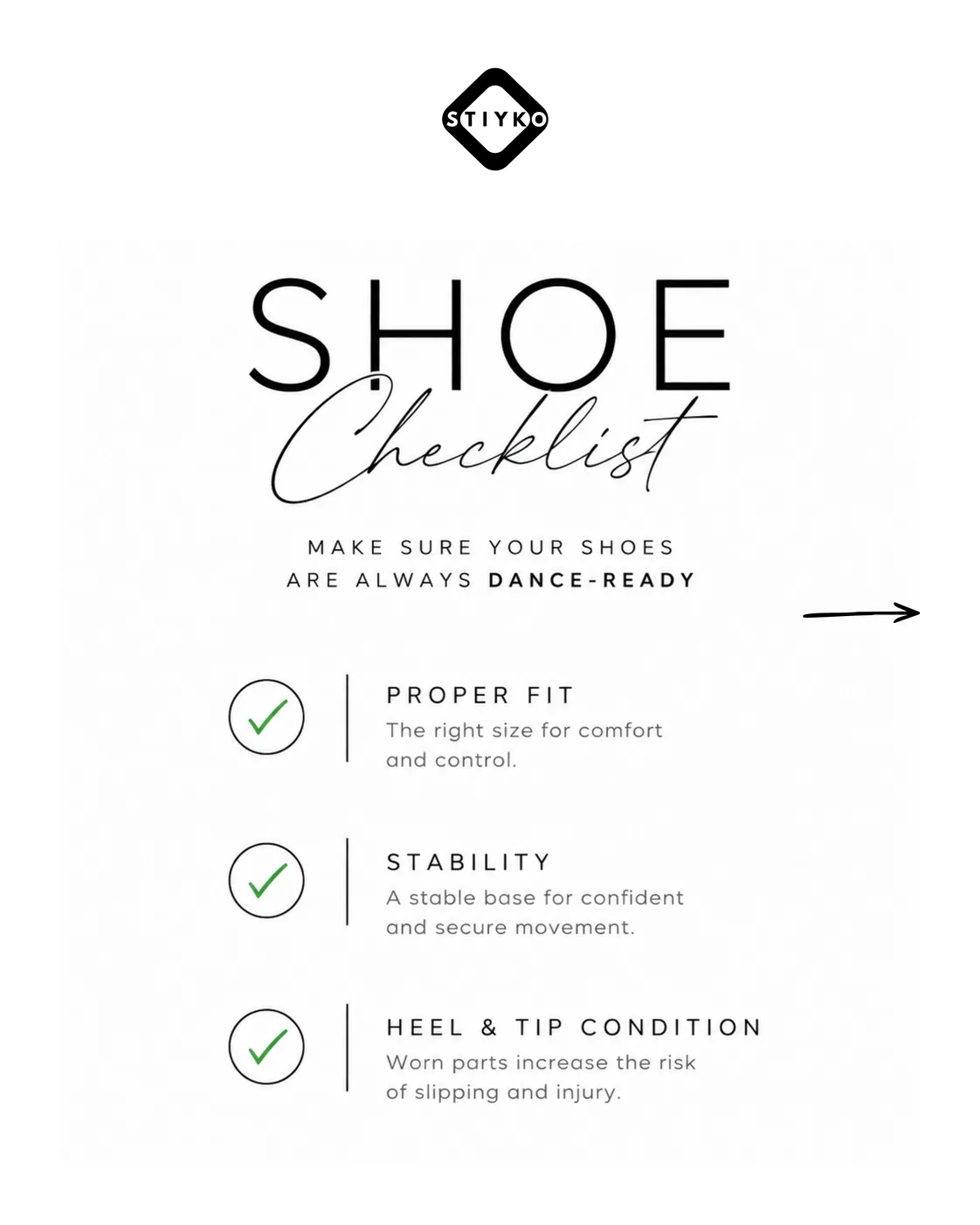
Every pair reaches a point where maintenance stops helping: the upper has stretched, the heel has play in it, the sole is worn through in patches. That is not a cosmetic issue — a stretched shoe slides on the foot and a loose heel fails without warning. Our dance shoe safety checklist is a five-point inspection for exactly that moment.
A child's pair usually reaches that point differently — outgrown long before it is worn out. What to check, and how to size the next pair, is in our parent's guide to kids' ballroom dance shoes.
Frequently Asked Questions
How long does it take to break in dance shoes?
Usually one to two weeks of regular use. Short indoor sessions are better than one long one, and leather and satin keep moulding gently for a while after that.
Can I wash dance shoes?
No. No machine, no soaking. Clean the upper with a barely damp cloth according to its material, and keep water away from the suede sole entirely.
How often should I brush the sole?
Every few sessions, and always when the slide starts feeling unpredictable. It takes under a minute and restores most of the grip a worn-feeling sole seems to have lost.
The sole feels slippery mid-competition — what do I do?
Brush it. That is what the brush in every dancer's bag is for. Never use water, and never rub the sole on a rough surface to “rough it up” — that tears the nap permanently.
Can I wear dance shoes outside if I am careful?
No. Carry them and change at the venue. Asphalt and grit destroy a suede sole faster than anything else, and the grit you bring in damages the studio floor too.
How do I stop dance shoes smelling?
Air them after every session, remove the insoles, and never store them damp in a sealed bag. Dry paper inside overnight absorbs a surprising amount.