Contents
- What Are Heel Protectors for Dance Shoes?
- Why Do You Need Heel Protectors?
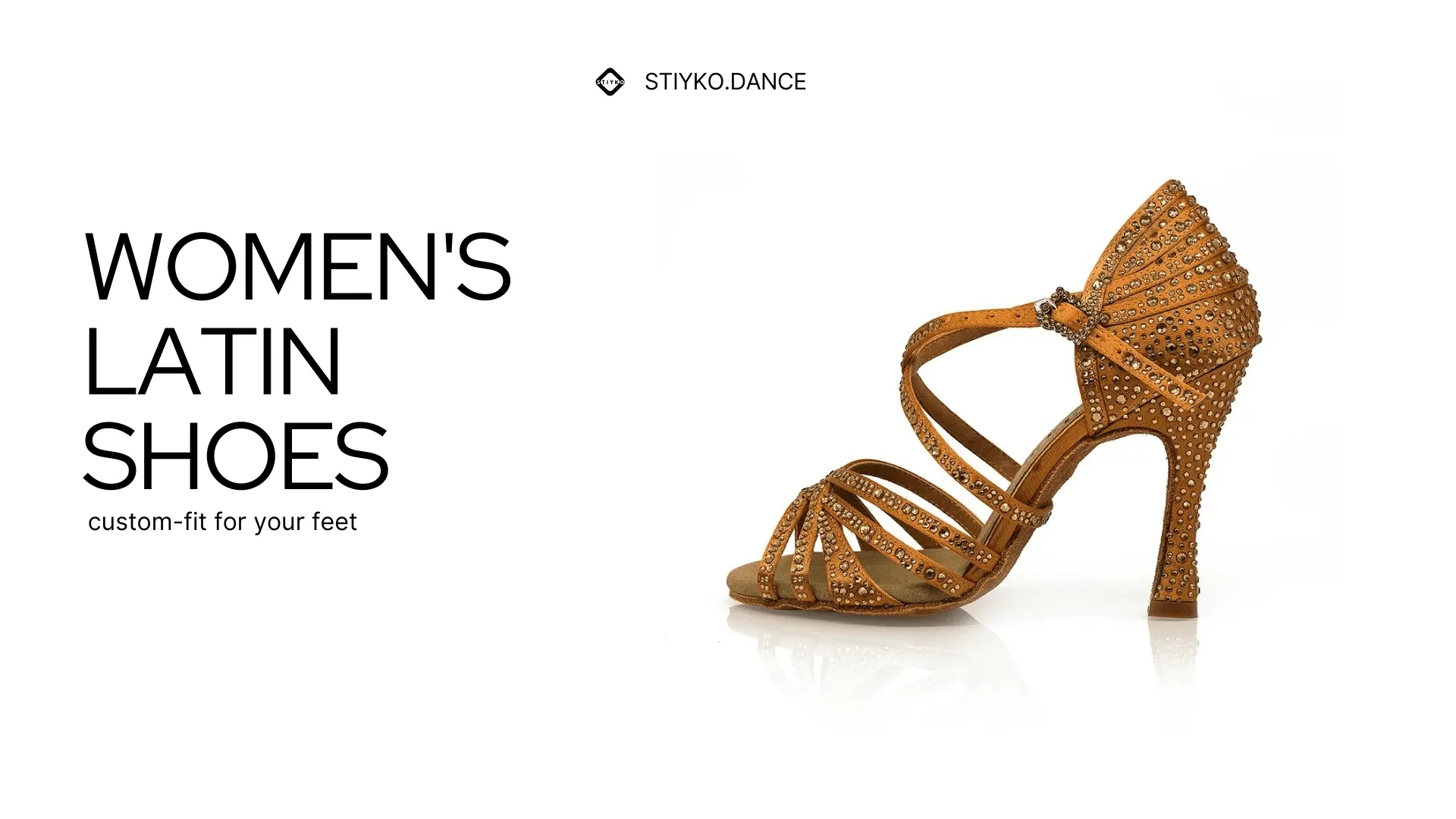
- Heel Protectors for Latin Dance Shoes
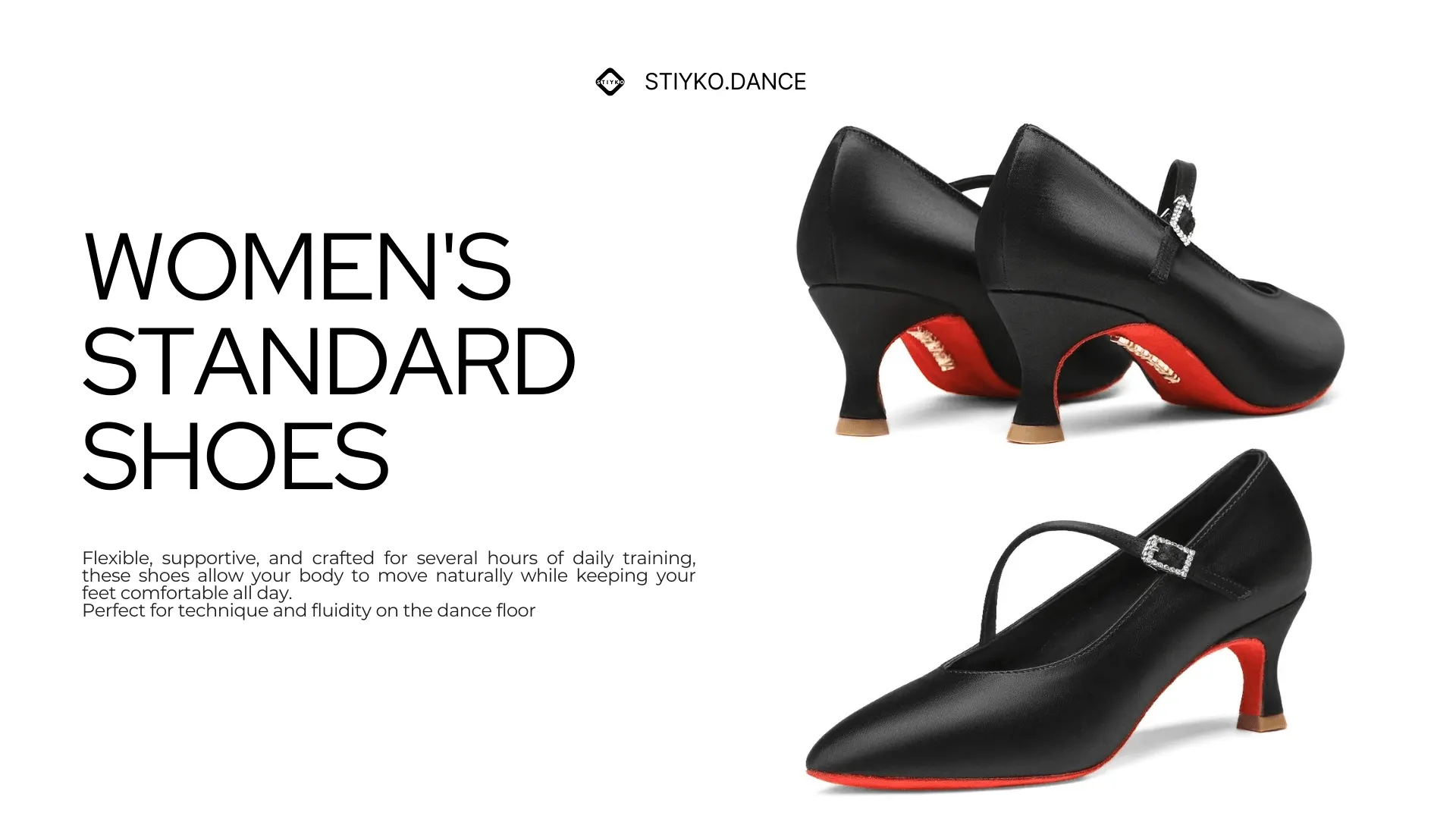
- Heel Protectors for Standard & Ballroom Shoes
- How to Choose the Right Heel Protector
- Heel Protectors, Heel Caps or Heel Tips?
- Heel Protectors for Children's Dance Shoes
- How to Care for Your Dance Shoes
- Frequently Asked Questions
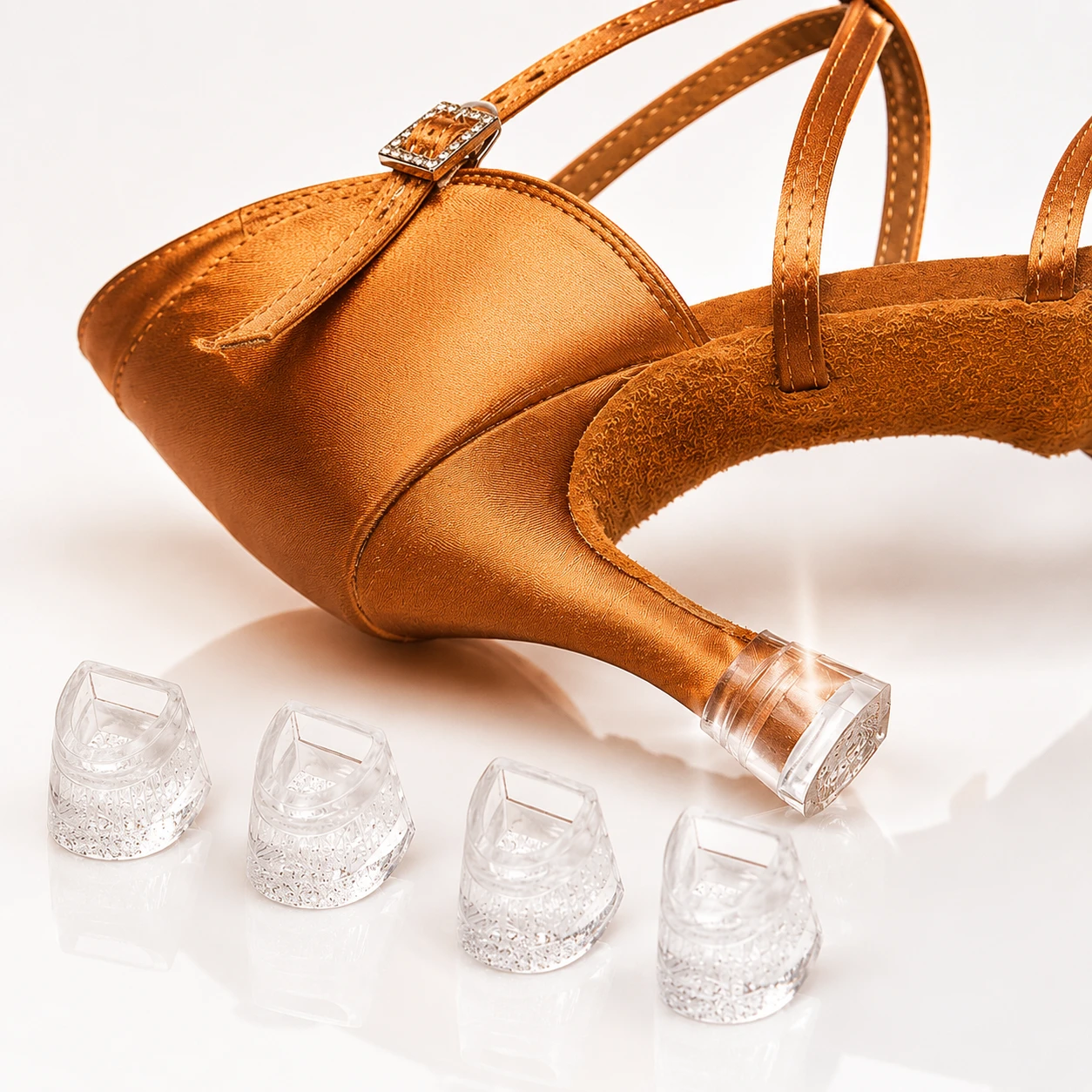
Heel protectors for dance shoes are a small accessory that fits over the bottom of a dance shoe heel. They protect the heel tip from scratches and wear, and reduce direct contact between the heel and the dance floor.
They matter most for women's Latin dance shoes, which usually have a high, narrow heel that takes constant impact during training, rehearsals, competitions and performances. A heel protector adds a protective layer between the heel and the floor, helping your shoes keep their shape and look for longer.
What Are Heel Protectors for Dance Shoes?
A heel protector — also called a heel cap or heel cover — is a small cap that fits snugly over the bottom tip of a dance shoe heel. Unlike generic shoe accessories, dance heel protectors are shaped specifically for the types of heels used on ballroom and Latin shoes, so the shape has to match your heel, not just its height.
- Slim heels
- Flared heels
- Latin heels
- Ballroom / Standard heels
- Cuban heels
Not every protector fits every heel — before buying, check the shape and size of your heel against the protector's specifications.
Why Do You Need Heel Protectors?
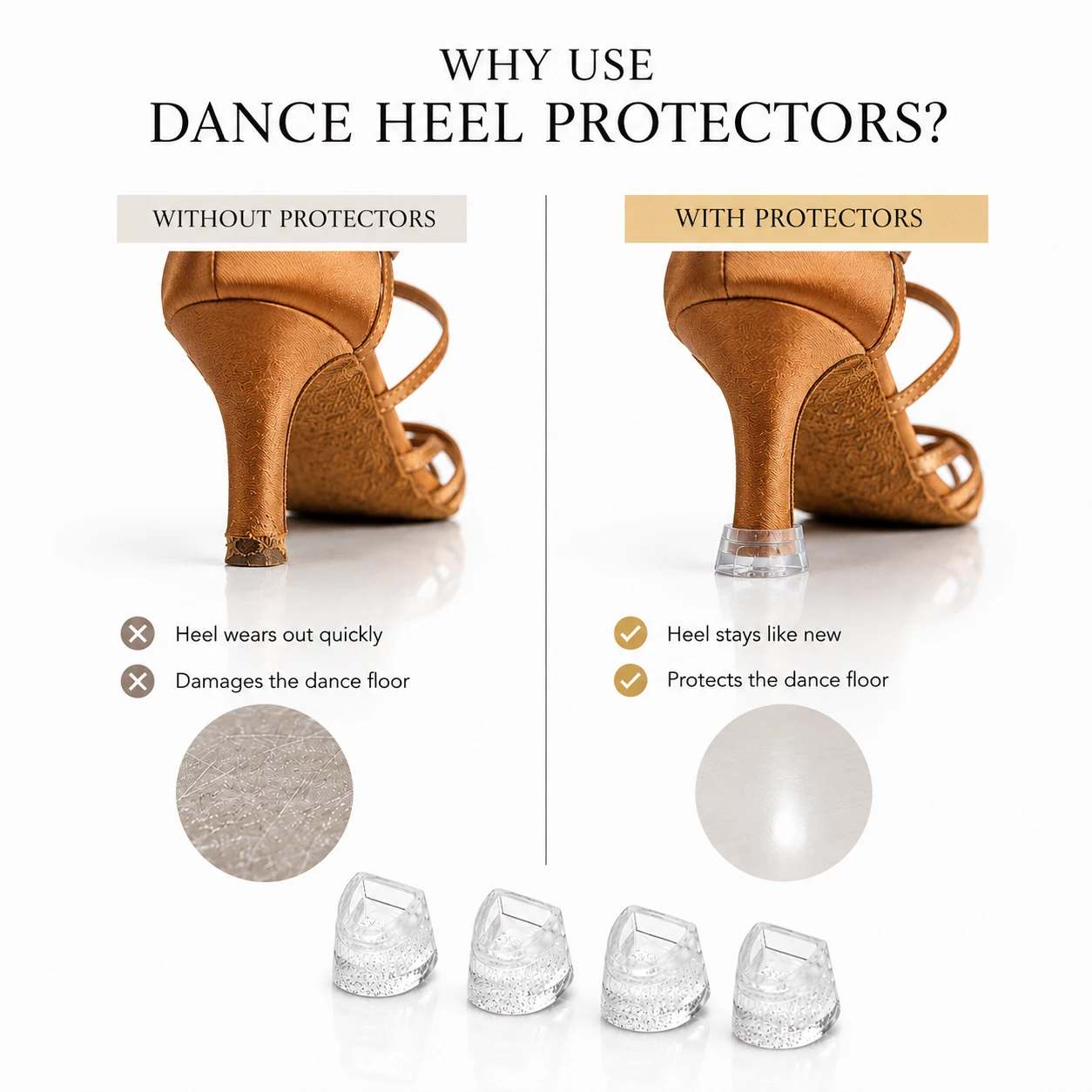
- Protect the heel — a protector takes the wear instead of leaving the heel tip exposed, which matters most for expensive competition shoes.
- Protect the dance floor — a suitable protector reduces scuffing and damage from repeated contact with a narrow heel; some studios and competitions require it.
- Extend the life of your shoes — reducing wear on the heel tip means your shoes look better for longer, and a worn protector is far cheaper to replace than the heel itself.
Heel Protectors for Latin Dance Shoes
During Cha-Cha-Cha, Rumba, Samba, Paso Doble and Jive, the heel is constantly involved in the work of the foot — which is exactly why heel protection matters most for women's Latin shoes. In the Latin shoes catalog you'll find women's and men's models with different heel constructions and heights — women's designs typically come in 6.5, 7.5 and 8.5 cm heels depending on the model. If you train regularly in a high Latin heel, a well-fitted protector is a simple way to take better care of your shoes.
Heel Protectors for Standard & Ballroom Shoes
Heel protection isn't only for Latin shoes — it also helps women's Standard and ballroom shoes with a narrow or flared heel. If you dance the European program alongside Latin, look for a protector that matches your Standard heel shape. Correctly fitted dance shoes should match the program you dance, and heel protection simply helps you look after that investment during regular training.
How to Choose the Right Heel Protector
Before ordering, identify the shape of your heel — a slim protector suits a narrow ballroom or Latin heel, a flared protector suits a heel that widens toward the bottom, and a Cuban protector suits the wider, more stable heel used on some ballroom and men's shoes. Buying a generic cap without checking the shape is the most common mistake — always match the protector to the actual heel on your shoes.
- Heel type and shape (slim, flared, Cuban, Latin)
- Heel width and height
- Manufacturer and protector size
- Material — some protectors use a suede tip for a feel closer to the shoe's own sole
Heel Protectors, Heel Caps or Heel Tips?
"Heel protectors" and "heel caps" both describe the same accessory — a protective cover placed over the bottom of the heel. Be careful with "heel tips", though: a heel tip is the actual replaceable bottom component of the heel itself, while a heel protector is an additional cover placed over it. They are not the same product, so "heel protector" is the more accurate term to search for.
Heel Protectors for Children's Dance Shoes
Choosing the right children's dance shoes means matching the model to age, foot size and dance program — and heel protection is just as construction-specific for kids' models as for adult ones, so pick it separately for each shoe rather than assuming one size fits all.
- Fits the heel correctly and doesn't move during dancing
- Matches the specific heel shape of the model
- Doesn't interfere with the child's movement
How to Care for Your Dance Shoes
Heel protectors are only one part of good shoe care. Your dance shoes are performance equipment, not everyday footwear, so they deserve a bit more attention.
- Don't wear dance shoes outside or on rough surfaces
- Store them in a breathable shoe bag
- Let them dry naturally after training
- Check the heel and sole regularly, and replace a worn protector when needed
Frequently Asked Questions
Do heel protectors affect dance technique?
A properly fitted protector shouldn't interfere with normal dancing — the key is matching the correct size and heel shape; a loose one may shift or come off.
Can heel protectors be used for competitions?
Some organisers and venues require or recommend heel protection to protect the floor — always check the specific rules before a competition.
That's it — with the right heel protector matched to your heel shape, you protect your shoes, protect the dance floor, and keep training with confidence.